

How to Eat More Vegetables and Greens
But, it can be challenging to figure out ways to get more greens into your day. I’ve found that many times when people think of eating greens they think of salads or cooked veggies.
While those are two great options, that can be a little limited or even difficult to eat plenty of vegetables at meal.
So I’m sharing a few hacks you can use to eat more vegetables at each meal!
WHY IS IT IMPORTANT TO EAT VEGETABLES AT EVERY MEAL?

Greens and fiber-rich vegetables also known as non-starchy carbohydrates are great sources of nutrition! These are your leafy greens like arugula, kale, wheatgrass, barley grass, alfalfa, spinach, broccoli, brussels sprouts, tomatoes, carrots, cucumbers and so many more.
The Foundational Five is made up of five elements that go on your plate at each meal: non-starchy carbohydrates, starchy carbohydrates, healthy fat, protein, and the flavor factor. If you want to learn more about this, you can download my free guide that shares some of the ingredients that make up each element.
One of the most challenging elements of the Foundational Five we see many people within the Nutrition Stripped community face how to eat vegetables aka non-starchy carbohydrates at each meal!
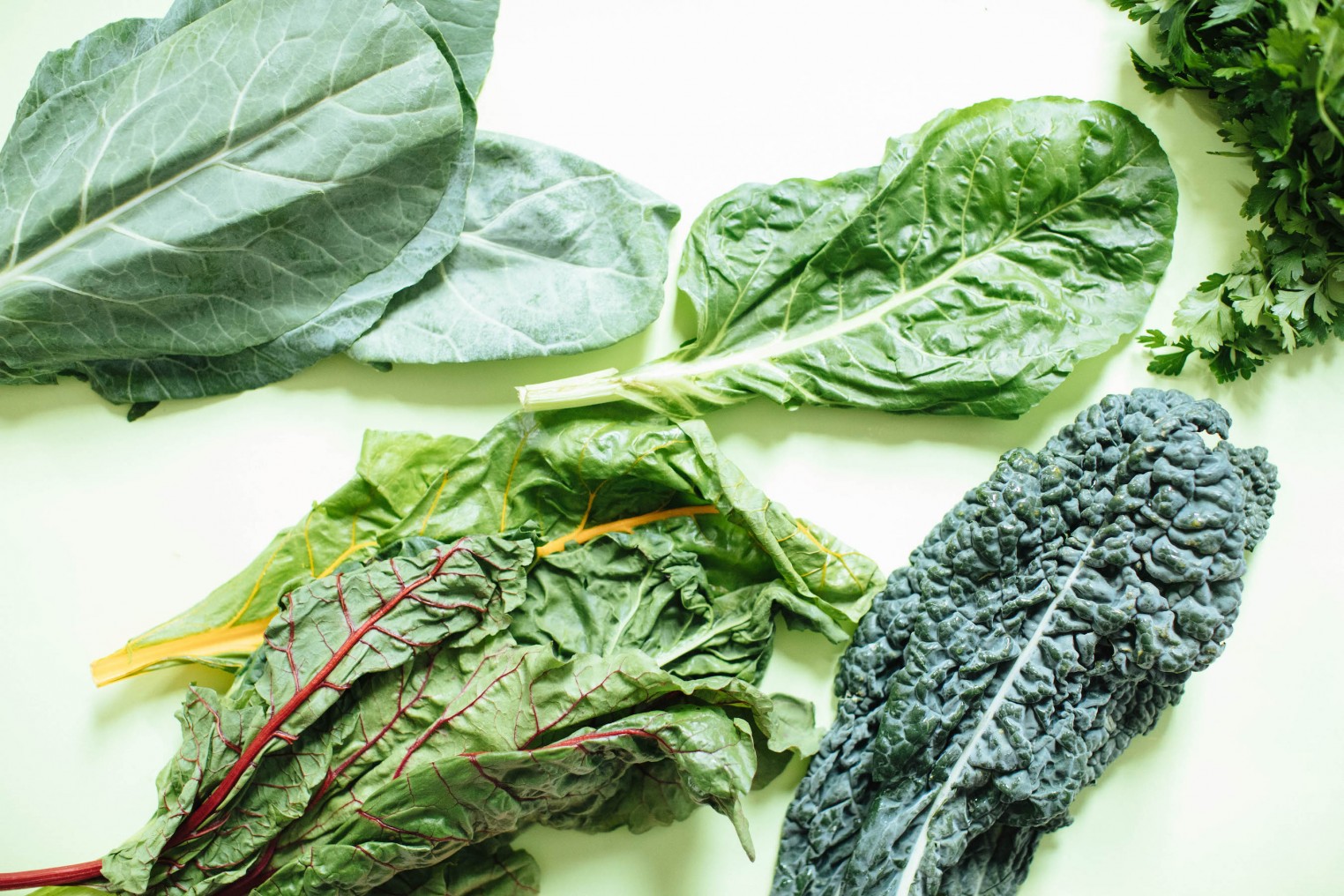
Non-starchy carbohydrates are so important to consume several times a day, because these carbohydrates are known for their fiber, prebiotics, vitamins, and minerals.
Fiber is so important to any diet as it balanced cholesterol levels in the blood, regulates bowel movements, regulates blood sugar levels, regulates your satiety levels, lowers the risk of certain types of cancer, reduces the risk of diabetes, and aids in digestion overall.
In addition to fiber, greens typically contain vitamin C, beta-carotene, vitamin K, vitamin E, calcium, folate, manganese, potassium, and a host of antioxidants.